
Guided Tour
Semi submarine Fažana
73%
MarineCoastalEducational

Estuaries of constant or occasional watercourses flowing into the sea are biologically highly productive places.
At such a meeting point of saltwater and freshwater several habitats with a large number of plant and animal species are formed. On the shore along the sea, there are salt marshes and salt meadows, prominent among them being glasswort (Salicornia europaea) and glaucous glasswort (Arthrocnemum fruticosum). On the shoreline along brackish water there is a dense cover of alkali grass (Puccinellia festuciformis) and some larger areas are dominated by common reed (Phragmites australis). Landward areas, where the belt of glasswort ends and which remain on dry land in summer, are the habitat of sea lavender (Limonium serotinum) and sagebush (Artemisa caerulescens), and very often dominated by sea rush (Juncus maritimus), sea aster (Aster tripolium) and sea purslane (Halimione portulacoides).
Above the water we can see dragonflies (Odonata), and in spring perhaps an occasional frog and grass snake (Natrix natrix). Among the birds, the most frequent are mallard, gull, little grebe, coot (Fulica atra), water rail (Rallus aquaticus). Species of seasonal occurrence are little egret (Egretta garzetta) and grey heron (Ardea cinerea), as well as other wading birds. Perched on a branch, the common kingfisher (Alcedo atthis) keeps a watchful eye on the fish in the water. Because of the many insects in the evening a common sight are bats in their nightly insect hunt.
Since these habitat types are endangered and rare, it is necessary to conserve as much as possible or enlarge their natural range, area and specific structure. In such a way we will also conserve the favorable condition of endangered species significant for these habitat types.
common toad (Bufo bufo), European green toad (Bufo viridis), European tree frog (Hyla arborea), agile frog (Rana dalmatina), mallard (Anas platyrhynchos), yellow-legged gull (Larus michahellis), little grebe (Tachybaptus ruficollis), coot (Fulica atra), water rail (Rallus aquaticus), little egret (Egretta garzetta), grey heron (Ardea cinerea), common kingfisher (Alcedo atthis), batMyotis myotis), dragonfly (Odonata), grass snake (Natrix natrix), sea lavender (Limonium serotinum), sagebush (Artemisa caerulescens), sea rush (Juncus maritimus), sea aster (Aster tripolium), sea purslane (Halimione portulacoides)

Along the western Istrian coast there are several island groups among which the most interesting, the largest and most indented is the Brijuni island group with its 14 islands and islets covering and area of 7.42km2.


The archipelago of Brijuni is an extraordinary blend of natural, historical and cultural heritage.

Brijuni National Park is an oasis of the magnificent harmony between man, animal and plant life.
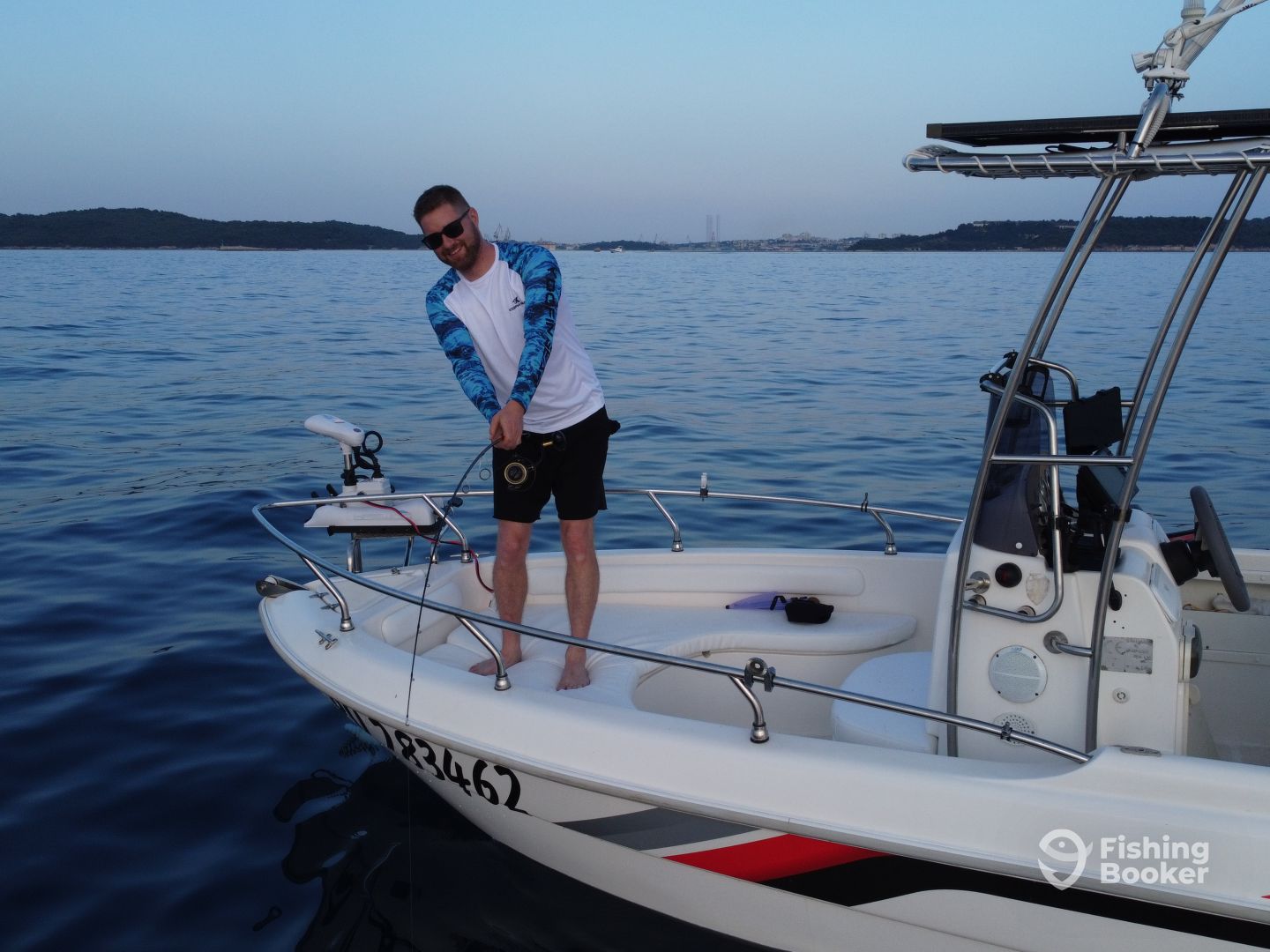
Experience authentic fishing in the Fažana waters with experienced local fishermen. Learn the basics of fishing, discover the best spots, and enjoy a relaxing time at sea.