
Salting pilchard
It is best to salt pilchard in May. Today the standard vessel that is used is a 5-liter tin container, plastic-coated on the inside. Having left fresh pilchard to stand for a few hours, arrange them neatly in tide rows. Each additional row should be arranged across, with coarse salt being sprinkled in between. Cover with a piece of board that fits into the container and use a press, half the total weight, to keep everything pressed down. Cover with a cloth and tie it. Pour out the blood the following day, but leave enough liquid to allow the cover to be dipped half-way. Keep the container in daylight for a few days, then store in a cool place on a concrete surface. Pilchards are ready to be served after 2-3 mounts, whereas properly salted ones can last over a year.
Small fishing academy Pilchard
Fažana’s challenge in the fishing net of tradition

Shipbuilding in Fažana

Workshops
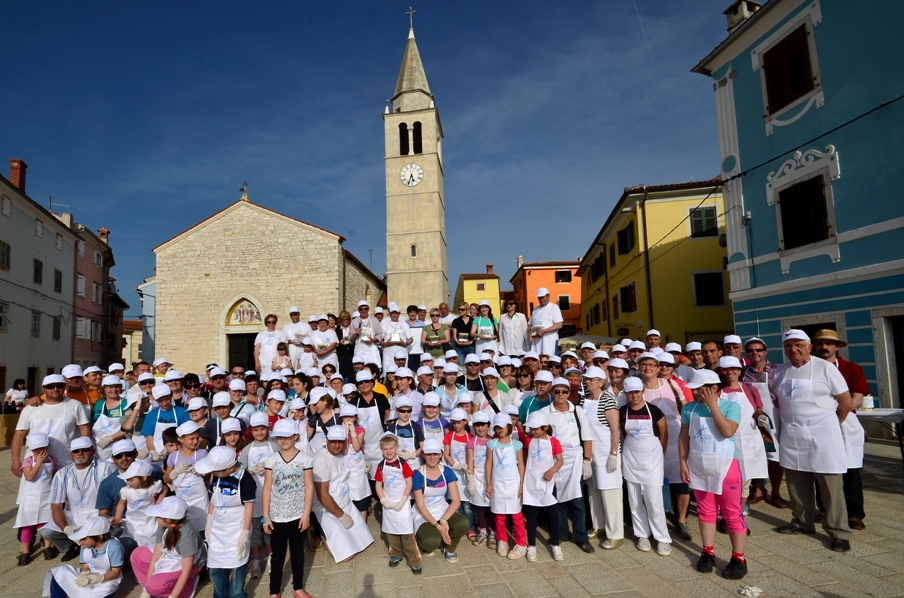
School of salting pilchard
Competition in salting pilchard (Fažana’s waterfront)
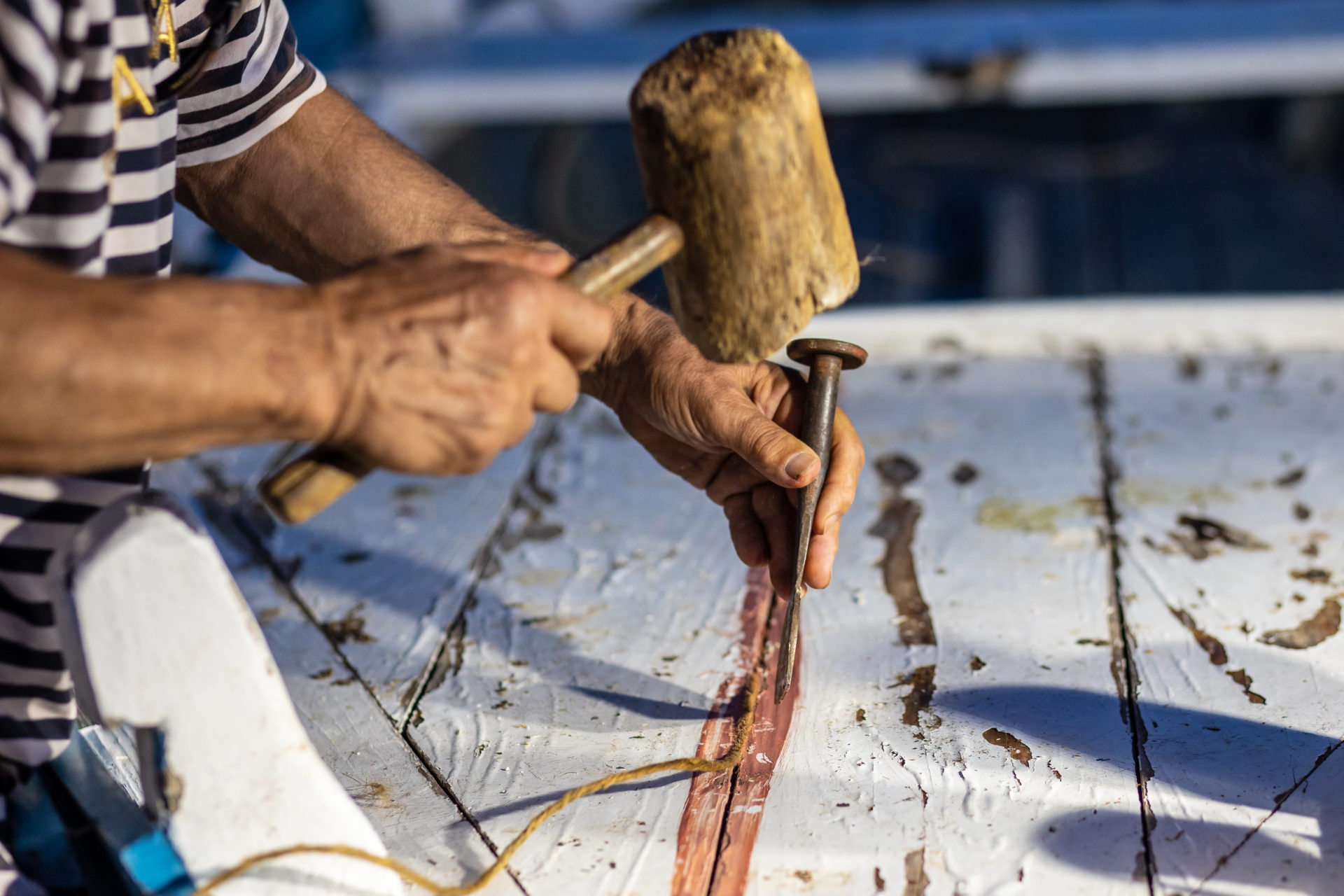
Things that fishermen know
Fisherman’s festival, presentation of traditional fishing equipment and announcing the best salted pilchard of the School of salting pilchard.

Sea on table
Street food festival
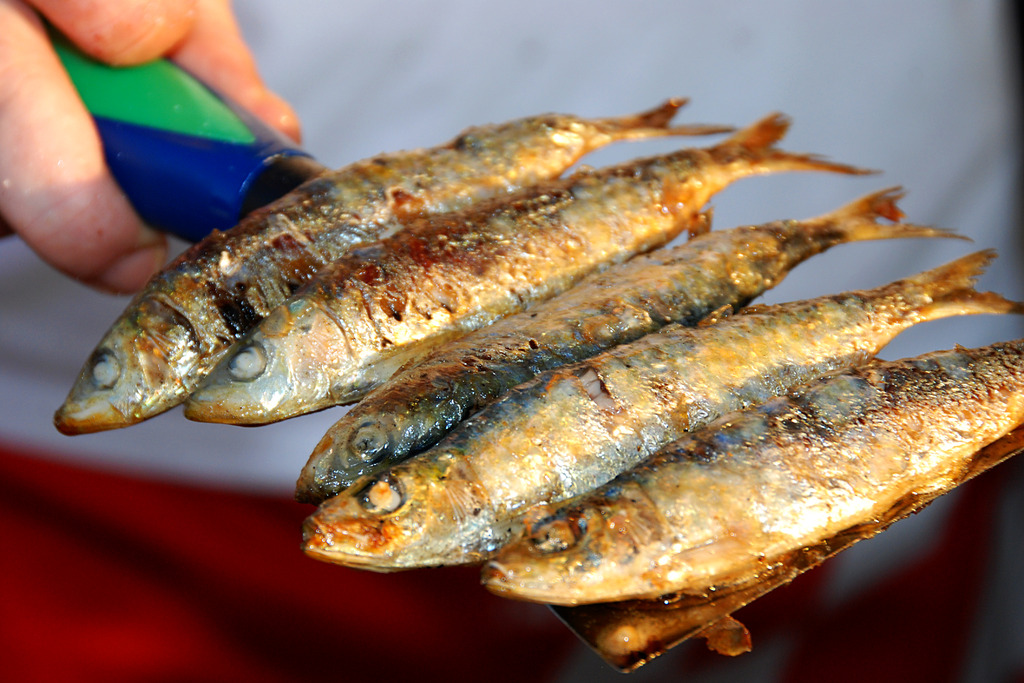
Pilchard road
✨Similar content
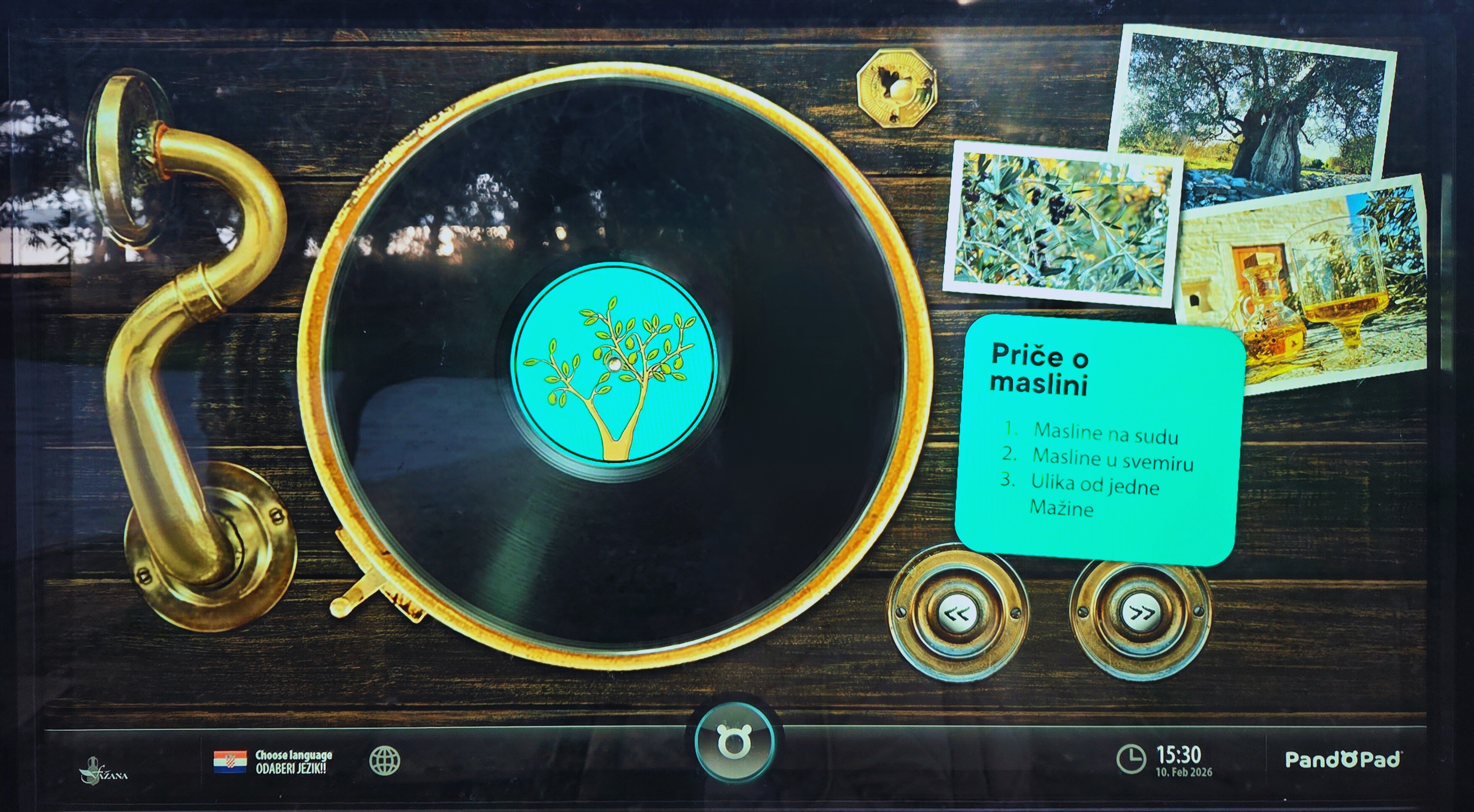
Audio stories about Fažana’s olives

Historical Roots of Olive Growing in Fažana
Where tradition, nature, and the story of olive oil come to life

Olive oil trails
OLIVE OIL – ELIXIR OF GOD If we are looking for the autochthonous product of Istria – high quality olive oil whose feature reflects the autochthonous sort and typical habitat

Olives in space

Is Fažana really home to olive tree and its oil?
Istria’s unique location, where the Mediterranean reaches its closest point to the Alps, contributed to its strong economic development in the Roman Empire. Olive oil production and trade played a key role in this economy due to the oil’s nutritional value and rich flavour.

Fažana’s Olive Grove
From ancient times to the present day, olive cultivation has been a testament to Fažana’s continuous history.